
The Impact Of Oversized Tires On Hubs, Wheel Bearings, And U-Joints
Nowadays, more and more repair bays are filled with lifted, oversized rides, many of them off-road rigs getting prepped for the trails. And the majority of them will be running oversized tires.
Most service technicians know that the look comes with a cost. Bigger tires mean bigger stress. Sharing this knowledge with your customers can help them catch the weak links before they break, saving time and money.
Bigger, Higher Modern Vehicles
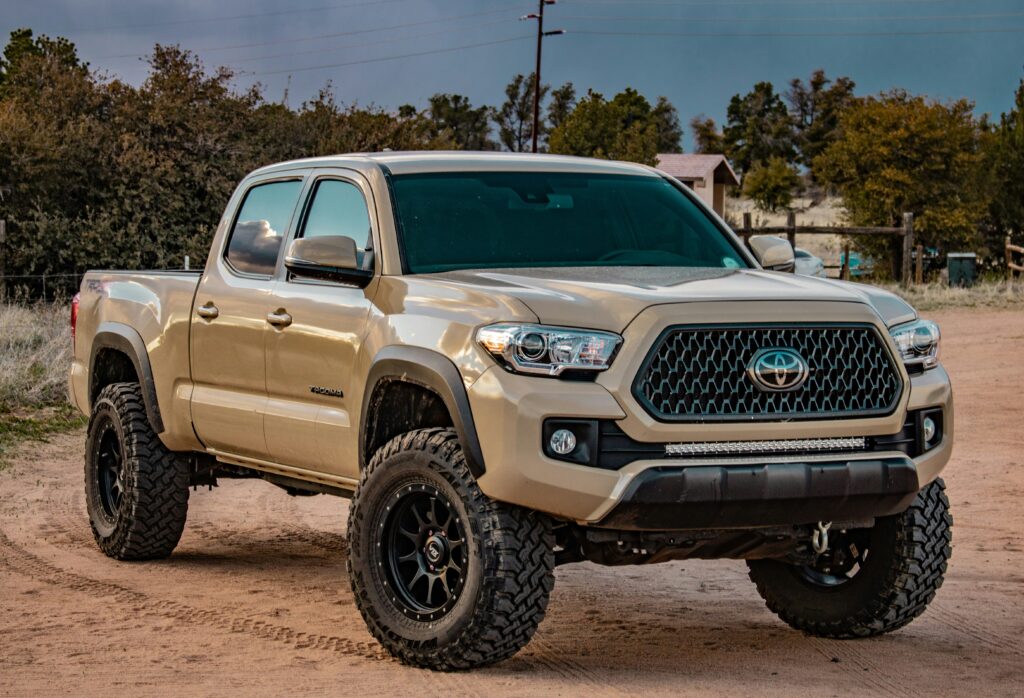
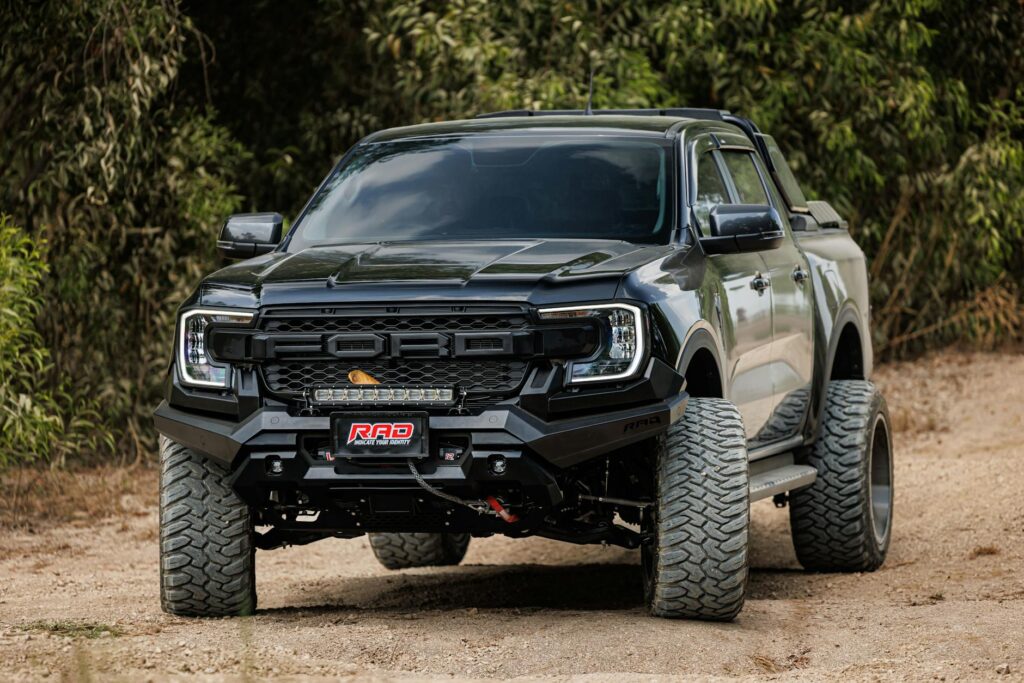
Here’s the new reality: it’s not just the heavily modified monster trucks that need to be monitored. The industry trend is for lifts and bigger tire recommendations straight from the factory. Some new trucks and SUVs are even rolling off the line with 33s or 35s, especially those with the high-end performance trim packages.
This means technicians are seeing off-road levels of stress on brand new, daily-driven vehicles. The problems that used to be limited to weekend warriors are now showing up on daily drivers. That makes thorough and careful inspections more critical than ever.
Why Big Tires Wear Wheel Bearings
A stock wheel bearing or hub assembly is engineered for a stock tire. The second that setup changes, the clock starts ticking. Factors impacted include:
- Sheer Weight: It’s not just the extra weight you can feel. A stock 31-inch all-terrain might be 40 lbs. Some 35-inch mud tires are easily 80 lbs. Double the weight doesn’t just double the force – it’s an exponential increase in the load that wheel hub assembly has to handle at 70 mph.
- Offset: To make those tires fit, many are running deep-dish wheels. The increased offset pushes the tire’s centerline out making the load on the bearing no longer centered. It’s similar to carrying a heavy bucket with a fully extended arm. It adds a ton of leverage strain on the hub.
- Tread & Vibration: Large, aggressive tread blocks create a massive amount of resistance and vibration, putting extra wear and strain on the bearings and seals.
If you have a customer with a large tire setup, keep an ear out for complaints of:
- A clicking sound when they make sharp turns.
- A low-pitched rumbling or humming that gets louder with speed.
- A grinding sound when the car is moving.
- The truck pulling to one side.
U-Joints: The Next Step In The Drivetrain
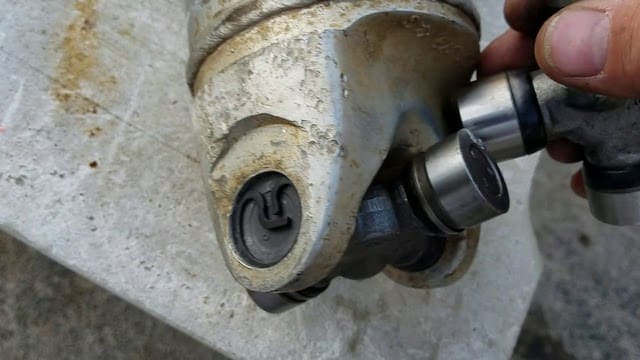
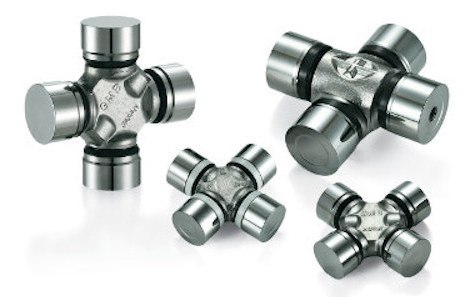
U-joints can be the next thing to go, and the reasons are just as straightforward.
- Driveline Angles: Stock U-joints are happy living at a 1 to 3-degree angle. A 3-inch lift kit can increase that operating angle up to 5, 6, or even more degrees. The u-joint will work at that angle, but it’s in a constant, high-speed bind.
- Increased Torque: In 4-low, the transfer case is multiplying torque like crazy. The big, sticky mud tires are biting to avoid slippage, and the U-joint is the part caught in the middle.
- Aggressive Treads: Again, most aggressive tires are designed to grab, not slip. Instant traction can be a sudden, massive shockload on the u-joint.
If you suspect your customer has a U-Joint issue, listen for complaints of:
- A knocking or clunking sound when shifting from drive to reverse.
- Vibrations that rattle the whole vehicle (especially at higher speeds).
- A chirping sound that follows wheel speed.
- Telltale fluid leaks at the differential or transfer case.
Quality GMB Parts Are The Best Answer
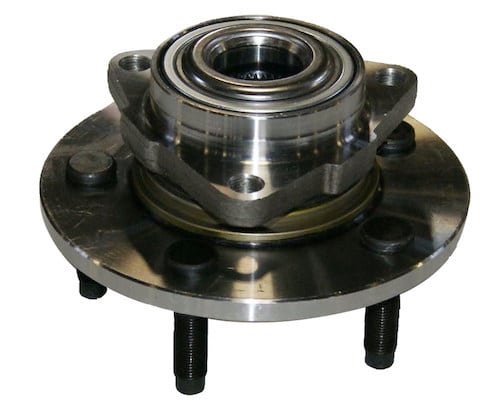
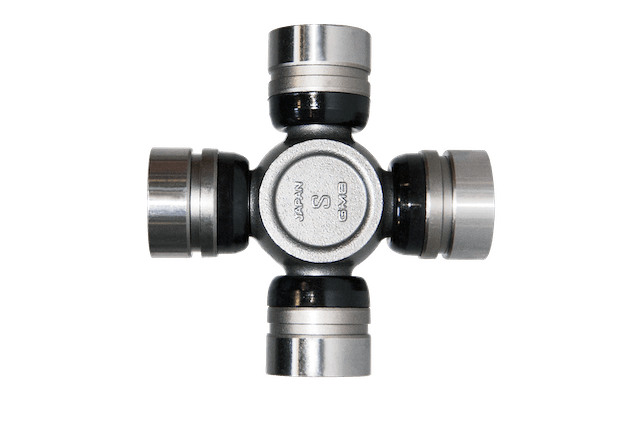
If you spot a worn part on a vehicle with oversized tires, stress the importance of a quality replacement. We’ve been an industry-leading OE and Aftermarket automotive product manufacturer since 1943. Our high-quality Hub Assemblies, U-Joints, and other high-quality components have the features that matter:
- GMB bearings are made of a high strength GCR15 steel, subjected to a proprietary process to achieve maximum hardness, and then finally treated with a G-10 finish.
- Wheel Bearing & Hub Assemblies contain specially formulated bearing grease for superior lubrication, enhanced thermal dissipation, water wash-out resistance, and better ability to lock in oils to keep the bearings rolling at optimal performance.
- GMB uses a triple and quadruple lip sealing technology. This technique uses high temperature resistant rubber to achieve maximum bearing protection against dust, water and road debris.
- GMB U-joints can withstand a higher tolerance of short and prolonged exposure to a wide range of oils, and chemicals, and the nitrile rubber can endure extreme temperatures from -40°F to +250°F.
- Rather than standard-grade 1020 steel, GMB u-joints use a high-grade Chrome-Molybdenum steel with superior strength, longer life expectancy, as well as additional corrosion protection.
- Our U-Joints are coated in a proprietary protective formula which is baked on multiple layers of powder coating for superior rust resistance and a non-porous surface.
- GMB U-Joints are manufactured with high-grade solid steel tubular needle bearings that are heat-treated and designed to withstand extreme temperature changes, high pressure, and excessive torque.
We offer a U-Joint Lookup Tool to make it easy to find replacement parts fast. Check out our full catalog or contact our team for expert advice today!