
How To Avoid Common Mistakes When Installing A Fuel Pump
Installing a fuel pump the right way the first time is key to avoiding costly comebacks. Even experienced techs can make simple fuel pump installation mistakes that lead to bigger problems down the line. Taking a few extra steps during the install can prevent issues and keep your customers happy.
“Whether you’re working on fleet vehicles or retail customer cars, avoiding common fuel pump problems saves time, money, and reputation.“
What Happens If A Fuel Pump Isn’t Installed The Right Way?
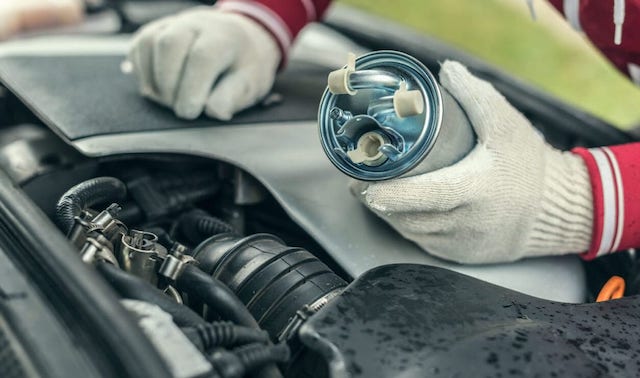
If the pump isn’t installed correctly, one of two things usually happens: it won’t work at all, or it won’t deliver the correct fuel pressure. Either way, the vehicle will exhibit several symptoms. Signs of a bad fuel pump installation include:
- Rough idle or stalling
- Engine cranks but won’t start
- Poor fuel efficiency
- Loss of power under load
These problems can frustrate your customers and reflect poorly on your shop – even if it’s a part issue or something overlooked during install. Take a look at the issues we review below to be sure you avoid them.
Wiring The Fuel Pump The Wrong Way
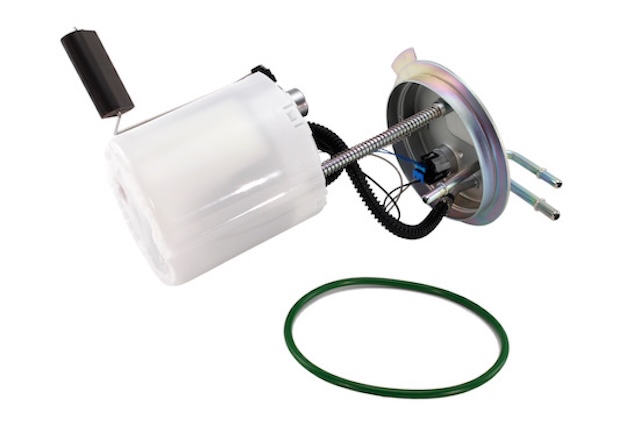
Most pumps are plug-and-play, but sometimes the vehicle-side connector is worn, corroded, or damaged. That’s when fuel pump wiring mistakes happen. DIY fuel pump replacement errors to avoid:
- Reusing a bad connector can cause intermittent stalling or low voltage to the pump.
- Replacing the connector? Take a photo and clean the wires before cutting. Dirty, similar-colored wires make it easy to make a mistake.
“Even a high-quality pump will fail early if it’s not getting proper voltage – always verify your wiring and check the fuel pump relay if needed.“
Not Replacing The Fuel Filter Too
A partially clogged fuel filter forces the pump to work harder, reducing its lifespan. If you’re wondering why the fuel pump install isn’t working, double-check the filter. Fuel filter and fuel pump installation tips:
- Always check if the vehicle uses a serviceable fuel filter.
- Replace the filter during the same service – it’s cheap insurance against failure.
Using The Wrong Size Fuel Tank Gasket, Seal, or O-Ring
This is one of the most common fuel pump problems we see. If the gasket doesn’t seal properly, you can end up with EVAP codes or even a fuel leak. Fuel pump replacement tips:
- Avoid universal gaskets – they rarely seal well.
- Use the correct OE-spec seal included with quality fuel pump kits.
- If you have to reuse the old one, inspect carefully for flattening or tears.
“A $5 gasket can cost you a $500 comeback if it doesn’t seal right.“
Allowing Debris To Enter The Fuel Tank
Dirt on top of the tank? If you don’t clean it off, it’ll end up inside the tank – contaminating the fuel and clogging the strainer. Mistakes to avoid when changing a fuel pump:
- Always clean the tank exterior before removing the pump.
- Inspect the strainer during installation.
Contaminated fuel causes early failures and fuel pressure issues after pump install—not something you want to explain to a returning customer.
Not Testing Fuel Pressure After Installation
After the pump is in, test the pressure. Don’t assume everything is good just because the car starts. Testing ensures proper operation and helps catch wiring or relay issues. Use this quick fuel pump troubleshooting guide:
- Check pressure with a fuel pressure gauge before delivery.
- Compare readings to OEM specs.
- If pressure is off, re-check connections and the fuel pump relay.
Installing Low-Quality Parts
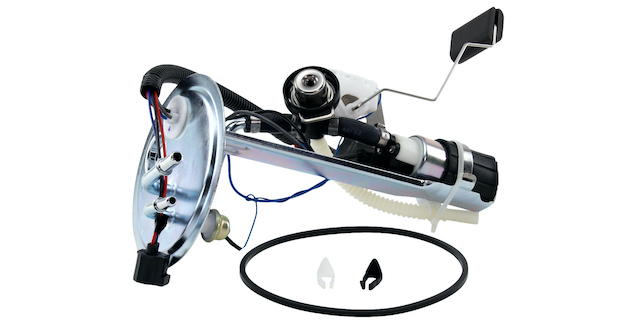
A fuel pump is not the place to cut corners. Low-quality pumps are prone to failure – even when installed correctly. Why choose GMB fuel pumps?
- OE-matched fitment for easy installation
- Durable construction for high-mileage reliability
- Includes gaskets, strainers, and hardware
- Tested for performance and pressure consistency
“When you install a GMB fuel pump, you’re installing peace of mind.“
How Much Does A Fuel Pump Cost?
Fuel pump prices vary based on vehicle type, brand, and features. That is why they fall into a broad price range starting at around $50 to a few hundred dollars. GMB pumps provide excellent value with OE-quality and installation-ready kits.
Can I Replace The Fuel Pump Myself?
Yes. If you’re a DIYer with some experience and proper tools, it’s doable. Just be aware of the common fuel pump installation mistakes listed here and take your time. It is very important to do the repair in a well ventilated area. If you are unsure you can do the job safely, it is best to hire a professional to do the job.
Where Should I Buy A Replacement Fuel Pump?
Your best bet is to buy from a trusted source that sells OE-quality components. GMB pumps are available through professional distributors and auto parts retailers nationwide.
GMB Has The Perfect OE Quality Replacement Fuel Pump For your Vehicle
GMB is an industry-leading manufacturer of OE and Aftermarket automotive products since 1943. With decades of experience producing high-quality automotive components, you can trust us to deliver. Check Out Our Full Range Of OE-Quality Parts:
- Fuel Pumps
- Timing Belt Kits
- Tensioners and Idler Bearings
- Water Pumps
- Fan Clutches
- Universal Joints
- Batteries
If you suspect an issue with your fuel pump or need a quality replacement, check out our catalog or contact our team for expert advice!