
Sell Smarter: Teach Customers The Value Of Preventative Maintenance
This article was originally published on Counterman.com.
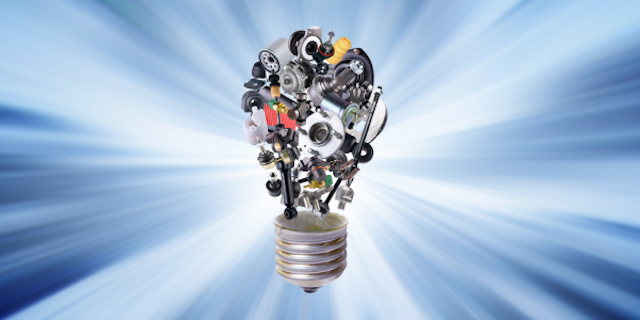
When customers come to the counter, they’re not just buying a part – they’re buying reassurance that the repair will solve their problem. And while every part has a story under the hood, the best counter pros know how to connect technical knowledge with sales confidence. Let’s take a closer look at some critical components that drive both vehicle performance and counter conversations.
Timing Belts And The Full System Story
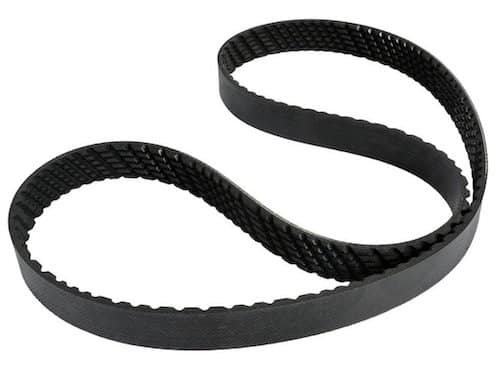
Timing belts may look simple, but they’re at the heart of an engine’s operation. When one fails, pistons and valves can collide, causing catastrophic damage. That’s why replacement intervals are so important.
But here’s the real truth: timing belts don’t wear out in isolation. The belt runs in harmony with tensioners, idlers, and often the water pump – all of which share a similar lifespan. If one component is weak, the entire system is compromised. Selling a complete kit isn’t just upselling – it’s preventing a comeback.
Counter Conversation
Customer: “Do I really need the whole kit? Can’t I just swap the belt?”
Counter Pro: “I hear that a lot. The belt relies on tensioners, idlers, and the water pump. If you skip them, one of those old parts can fail, and you’ll be back doing the same job all over again. That’s why installers recommend a complete kit – it’s one repair, done right.”
Did you know? A water pump seizure can shred a brand-new belt in seconds, even if the pump seemed fine during the job.
Wheel Bearings: Small Part, Big Safety Impact
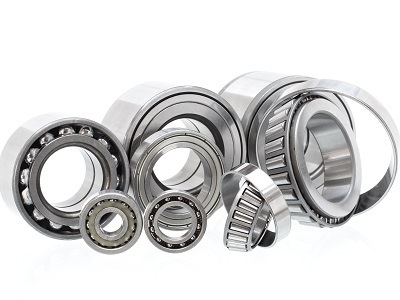
Wheel bearings don’t often make the headlines, but they play a major role in vehicle safety. They carry the vehicle’s weight, maintain wheel alignment, and ensure smooth rotation. When they start to fail, customers might hear humming or growling noises that get louder with speed.
Replacing just one bearing is common, but many pros recommend replacing both on the same axle. If one has worn out, the other isn’t far behind. Counter staff who explain this can help customers avoid future comebacks and maintain trust.
Counter Conversation
Customer: “I only hear the noise on one side. Why replace both?”
Counter Pro: “Good question. Bearings on the same axle experience the same wear. If one is bad, the other usually isn’t far behind. Doing both saves labor costs down the road and gives your customer peace of mind.”
Did you know? Heat and contamination are the leading causes of wheel bearing failure – not just mileage.
Fuel Pumps: The Heart Of The Fuel System
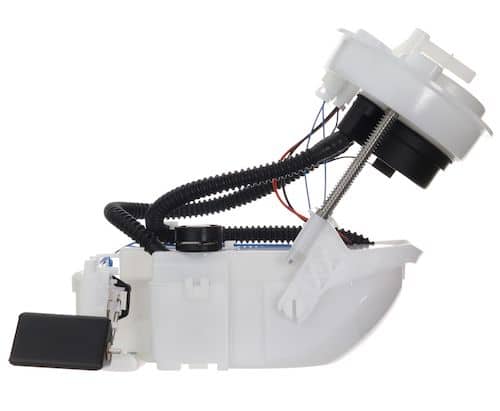
Today’s fuel pumps are far more sophisticated than they used to be. They don’t just deliver fuel – they regulate pressure for precise fuel injection. When they fail, symptoms range from hard starts and loss of power to sudden stalling.
Here’s where counter professionals shine: explaining that many modern pumps are “in-tank” designs with built-in filters. On older cars, replacing the filter might save the pump. But on most newer vehicles, a bad pump means replacing the entire module.
Counter Conversation
Customer: “I think I just need a fuel filter. Do you sell those?”
Counter Pro: “On some older vehicles, yes. But most newer cars have the filter built into the pump module. If your car has low fuel pressure or trouble starting, it’s usually the pump itself that needs replacement.”
Did you know? Running a vehicle consistently below a quarter tank can overheat the pump, since fuel also acts as a coolant.
Drive Belts: More Than Just Rubber
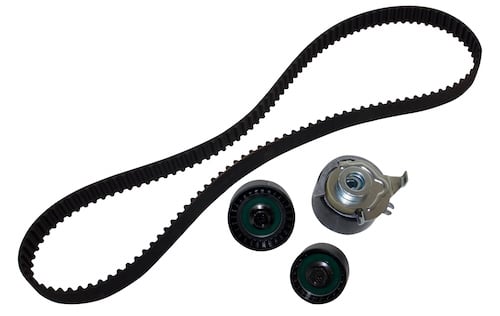
Modern serpentine belts handle more load than ever – powering the alternator, A/C compressor, water pump, and power steering all at once. Cracks, glazing, or squealing are clear signs of wear, but belts also lose flexibility over time, even if they look intact.
When recommending a belt replacement, it’s smart to suggest checking the tensioner and pulleys at the same time. A fresh belt on worn components won’t last long, and a comeback hurts everyone.
Counter Conversation
Customer: “The belt looks fine to me. Do I really need a new one?”
Counter Pro: “That’s a common question. Belts don’t always show visible cracks anymore. The rubber hardens and loses grip, which can cause slipping. Replacing it before it fails is much cheaper than being stranded on the road.”
Did you know? Modern EPDM belts can last up to 100,000 miles, but tensioners rarely make it that far without losing spring force.
Turning Technical Know-How Into Sales Confidence
At the end of the day, the best counter professionals bridge the gap between technical details and customer decisions. Sharing knowledge doesn’t just sell parts – it builds trust, reduces comebacks, and positions staff as problem-solvers. When customers ask, “Do I really need that?”, clear, practical explanations help guide them to the right choice – not oversell but ensure the repair lasts.
Here are a few quick one-liners to keep in your back pocket:
- Timing Belts – A seized water pump can destroy a brand-new belt in seconds.
- Wheel Bearings – Replacing both sides of the axle prevents uneven wear.
- Fuel Pumps – Consistently low fuel levels shorten pump life.
- Drive Belts – Belts can harden and slip long before cracks appear.
Technical knowledge is power – and when you connect the “why” behind each part with clear, customer-friendly explanations, that knowledge transforms routine transactions into trusted relationships, which in today’s competitive aftermarket is what keeps customers coming back.