
All Your Customers Need To Know About Wheel Bearings
Most shop owners and technicians deal with wheel bearings constantly. The job has become more modular in recent years, and the diagnostics have become a bit trickier.
Despite how common these repairs are, there is still a lot of misinformation floating around – not just among customers, but sometimes even in the bay. Believing these myths can lead to comebacks, missed sales opportunities, and misdiagnoses.
Let’s clear the air on four of the most common wheel bearing misconceptions so you can educate your customers and protect your shop’s reputation.
Wheel Bearings Should Last The Life Of My Car
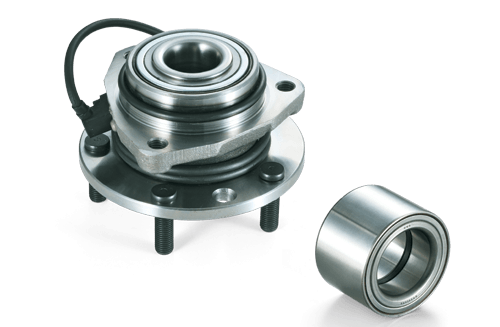
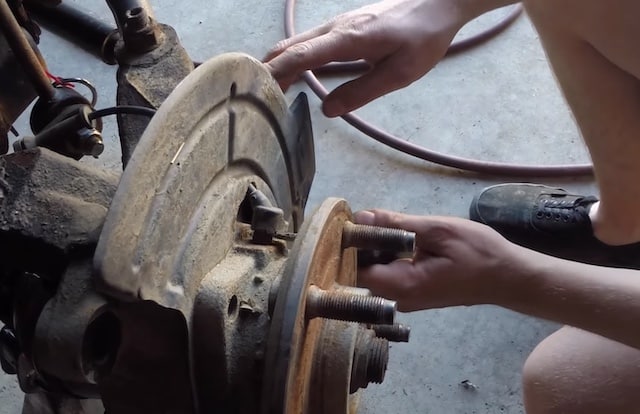
If you have been in the industry long enough, you’ve probably heard a customer ask, “Shouldn’t this part last forever?” While modern manufacturing has improved durability, the idea that a wheel bearing is a lifetime part is misleading.
The Reality: Under perfect conditions, a hub assembly might hit the 100,000-mile mark. But how many of your customers drive in perfect conditions? Real-world factors aggressively shorten that lifespan.
When explaining this to a customer, remind them that bearings have natural enemies:
- Impacts: Hitting a curb or a deep pothole – especially repeatedly – can shorten the life of a bearing.
- Stress: Heavy towing, aggressive cornering, and rough roads push bearings past their design limits.
Diagnostic Tip: Don’t just listen for the classic grinding sound. Train your newer techs to listen for the less obvious indicators like chirping, cyclical humming, or growling. Also, keep an eye on uneven tire wear or vague steering pull/play – these are often the silent killers of a wheel bearing that hasn’t started roaring yet.
If A Wheel Isn’t Making Noise, The Bearings Are Good

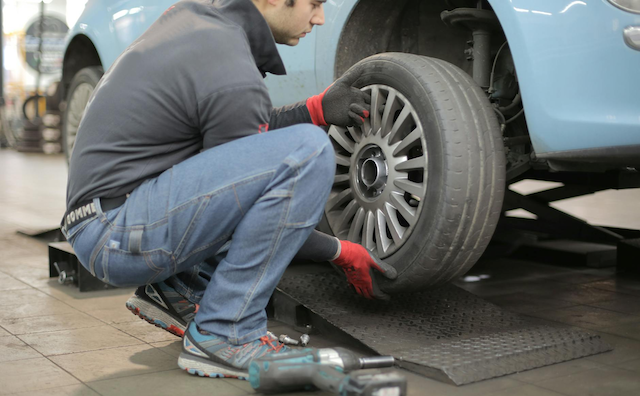
This is perhaps the most dangerous myth for a technician because it leads to misdiagnosis. We’ve all seen a tech lift a car, give the tire a spin, hear nothing, and assume the noise is coming from tires or the differential.
The Reality: A free-spinning wheel has zero load on it. Many failing bearings only complain when they are supporting the weight of the vehicle at highway speeds.
Diagnostic Tips:
- A Test Drive: You have to drive it. Listen for that tell-tale growl that changes pitch with speed.
- Sway Method: If the noise gets louder when you turn left (loading the right side) and quieter when you turn right, you likely have a bad right-side bearing.
- Wheel Rocking: With the vehicle lifted, grip the tire at the top and bottom. Rock it to check for excessive play. This is far more reliable than a free spin.
Be careful not to confuse bearing noise with cupped tires or worn suspension components. They can mimic the sound, so visual inspection of the tires is critical before you condemn the hub.
If Only One Side Is Making Noise, I’ll Just Replace That One
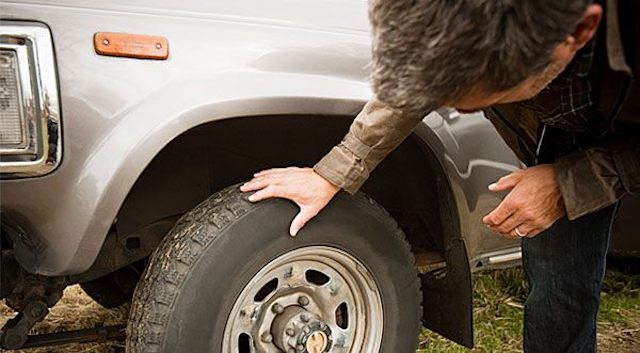
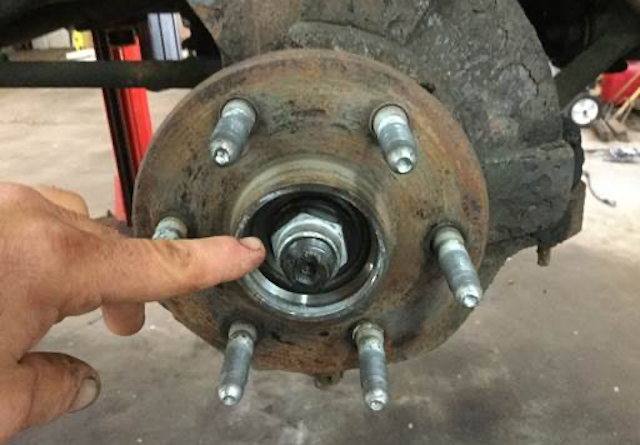
Technically, this is true. You can replace just the failed unit. However, from a best-practices standpoint, this is often the wrong approach for high-mileage vehicles.
The Reality: If a vehicle has 120,000 miles and the left front bearing has failed, the right front bearing has traveled the exact same distance over the exact same bumps. It is likely living on borrowed time.
Why Replace in Pairs?
- Balanced Performance: New bearings restore factory tolerances. Mixing a brand new, tight hub with a loose, high-mileage one can lead to uneven wear on brakes and tires.
- Preventing Comebacks: The last thing you want is a customer returning two weeks later because the other side started making noise, thinking you didn’t fix it right the first time.
Repair Tip: Always recommend replacing in pairs for high-mileage vehicles. If the customer is budget-conscious and insists on doing just one, make sure your techs thoroughly inspect the good side. If there is even a hint of play or roughness, push for replacing the pair.
A Hub Is A Hub – Any Part Will Do
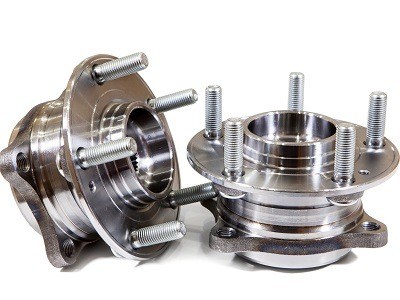
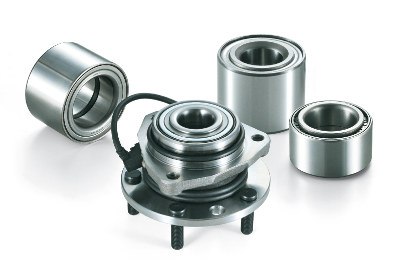
Your customer might think, “It’s just steel and ball bearings; how different can the white-box special be from the name brand?”
The Reality: Not all steel is created equal, and not all sensors speak the same language. The market is flooded with value-grade assemblies that look identical to the OE part on the outside but cut corners on the inside where it counts.
Low-quality hubs often use inferior steel that lacks the proper heat treatment, leading to pitting and spalling in as little as 10,000 miles. Worse, the ABS sensors in cheap units frequently have weak signal strength or poor shielding, causing ghost traction control lights that will have you chasing electrical gremlins for hours.
The Solution: Trust high-quality parts manufacturers like GMB. This is where choosing a supplier with genuine manufacturing heritage makes a difference. At GMB we don’t just reverse-engineer parts; we’ve been an OE manufacturer for over 80 years.
Choosing a premium wheel bearing and hub assembly from GMB matters for your shop:
- Military-Grade Steel: GMB uses high-strength GCR15 bearing steel with a proprietary “G-10” finish. This isn’t just marketing speak; it means the metal is hardened to resist the extreme heat and load that destroys cheaper units.
- Fortress-Level Sealing: The number one killer of bearings is contamination. GMB uses advanced triple and quadruple lip sealing technology with high-temperature rubber. This keeps road salt, water, and grit out, ensuring the grease stays pure.
- Sensors That Actually Work: Modern safety systems are sensitive. GMB’s ABS sensors are built to OE specs ensuring the signal is strong and accurate so your customer’s ABS light stays off.
- No Weak Points: Their hubs use a roll-formed design, which eliminates the need for welding and creates a stronger, single-piece unit that can handle the abuse of pothole-ridden roads.
Busting these myths isn’t just about being right; it’s about providing better service. When you explain why you are recommending a pair of bearings or why a spin test wasn’t enough, you build trust.
Browse our selection of wheel bearing and hub assemblies for OE quality replacements. You can also check out our fullcatalog or contact our team for expert advice on GMB products today!