
How Changing Tire Or Wheel Size Impacts Your Hub Assembly
Customers love custom rims, but changing wheel or tire sizes affects more than just looks. Offset, backspacing, and weight impact performance and wheel hub assemblies.
Say you have a customer who wants to slap a set of massive, deep-dish aftermarket rims on their daily driver. They’re looking for that aggressive stance and curb appeal. And sure, visually, it transforms the car.
But as professionals, we know that underneath the shiny chrome and low-profile rubber, physics is doing some heavy lifting. Changing the wheel and/or tire setup is a mechanical alteration that impacts suspension geometry, safety systems, and the lifespan of the wheel bearings.
Here is a breakdown of what’s actually happening when someone ‘plus-sizes’, and the risks that come with it – especially regarding hubs.
The Weight Game: Unsprung Mass
The first thing that changes with custom rims is usually the weight – and we’re talking about unsprung weight – that’s everything not supported by the suspension springs (wheels, tires, brakes, hubs).
- The Good: If a customer spends the money on high-quality, lightweight alloy racing wheels, they might actually reduce unsprung weight. This leads to snappier acceleration, sharper handling, and potentially better fuel economy because the suspension can react faster to road imperfections.
- The Bad: Most of the time, customers buy larger, heavier cast wheels. That added rotating mass acts like a flywheel. It makes the car slightly sluggish, decreases fuel efficiency, and makes the suspension work overtime to keep the tire planted.
Geometry 101: Backspacing And Offset
This is where the rubber literally meets the road – or the fender liner. When swapping wheels, two measurements dictate whether the setup is safe or a disaster waiting to happen:
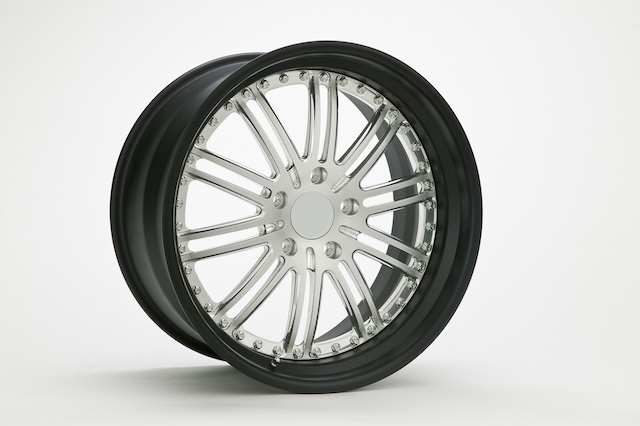
- Backspacing: The distance from the mounting surface (where the wheel touches the hub) to the inner lip of the wheel.
- Offset: The distance from the wheel’s centerline to the mounting surface.
If the backspacing is too shallow, the wheel sticks out, potentially rubbing the fender. If it’s too deep, it hits suspension components or brake calipers. But beyond clearance, these measurements change the scrub radius and the leverage placed on the suspension.
The Silent Victim: Wheel Hub Assemblies
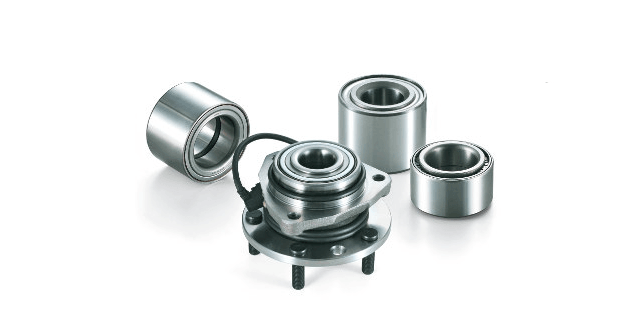
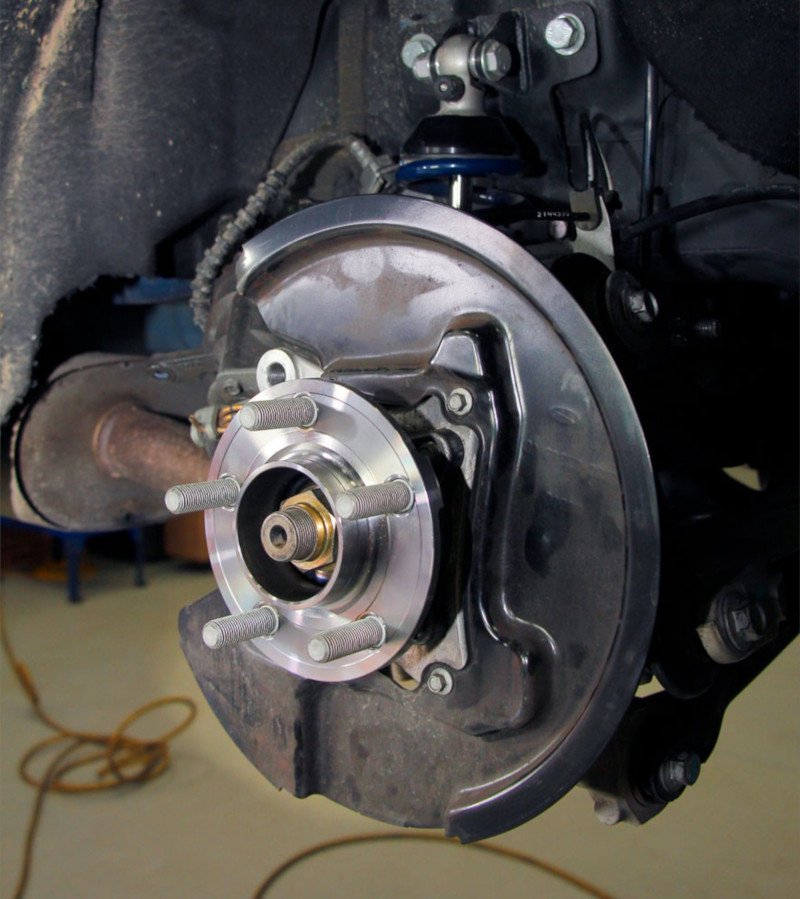
Here is the part that often gets overlooked, until the customer comes back three months later with a growling noise. Wheel bearings and hub assemblies hate bad offset.
OE engineers spend thousands of hours calculating the exact load point for the wheel bearing. Ideally, the weight of the vehicle should be distributed evenly across the rolling elements (balls or rollers) inside the bearing race.
When a customer installs wheels with an aggressive negative offset (pushing the wheels further out for a wider stance), they are effectively lengthening the lever arm.
Explain to your customer that it’s like holding a bowling ball. Holding it close to your chest is easy. Holding it at arm’s length is exhausting.
- Increased Leverage: Pushing the wheel out multiplies the force applied to the bearing, especially during cornering.
- Uneven Wear: Instead of the load being shared, it concentrates on the outer or inner edge of the bearing race.
- Premature Failure: The result is excessive heat and spalling, leading to early hub failure.
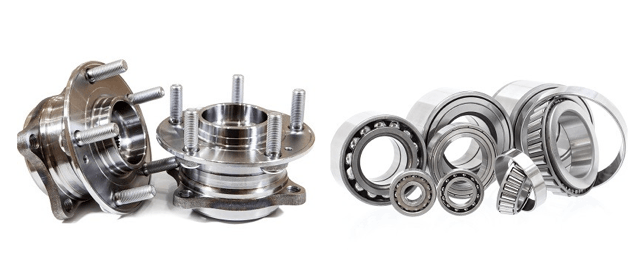
If your customer insists on a stance that alters the geometry significantly, you need to warn them that they will likely be replacing wheel bearings much sooner than expected. When that time comes, recommend a robust wheel bearing and hub assembly replacement made from high-quality components, engineered to handle the stress – while reminding them that even the best parts have limits when physics fights against them!
The Plus-Sizing Trade-Off
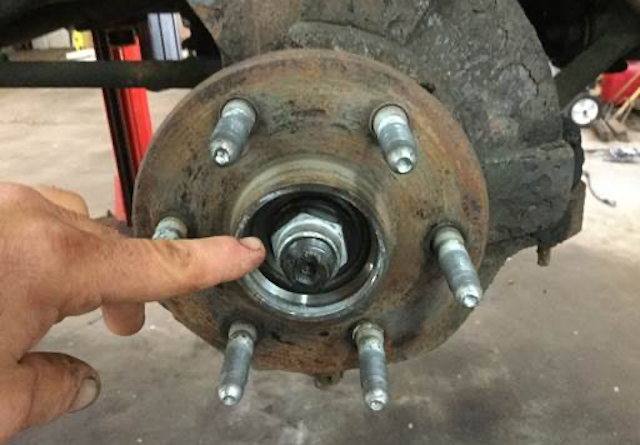
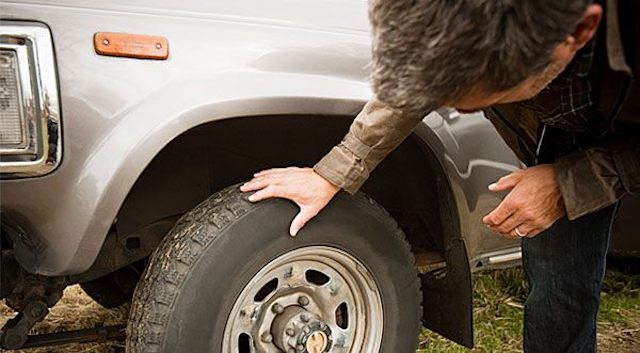
‘Upsizing’ (larger rim diameter, shorter tire sidewall) is one of the most common modifications we see.
- Pros: A shorter sidewall flexes less, which can improve steering response and cornering grip. It also allows room for big brake kits.
- Cons: The tire sidewall is part of the vehicle’s suspension. Remove that cushion, and the ride gets harsh. Every pothole sends a shockwave directly into the suspension components – and the wheel hub.
If your customer is interested in this, recommending the 3% rule – whether upsizing or downsizing (some go for smaller wheels with meaty tires for off-roading) – is usually best. This is the golden rule for keeping the overall rolling diameter within 3% of the factory spec. Why?
- Speedometer Accuracy: Your speedo is calibrated to tire rotation. Change the size, and the reading is wrong.
- ABS and Traction Control: These systems monitor wheel speed sensors at the hub. If the wheel speed doesn’t match what the ECU expects based on engine RPM and gear selection, it can trigger ABS faults or limp mode.
- Shift Points: On automatic transmissions, significantly changing the tire diameter effectively changes the final drive ratio, confusing the transmission controller.
Quality Suspension Components From GMB
We want our customers to love their cars. If they want a custom wheel or tire setup, help them do it right. Check the offset, verify the load rating, and ensure the rolling diameter is close to stock.
And if they do decide to run a heavy, aggressive offset setup, let them know the risks. When their bearings inevitably complain about the extra workload, be ready with a high-quality GMB wheel bearing and hub assembly to get them rolling smoothly again!
Check out our catalog or contact our team for expert advice on wheel bearing and hub assemblies today!